Alameda · Luxury Homes
Luxury Homes in Alameda
Buying a luxury home in the East Bay: the neighborhoods, the hillside details, and support from first search through closing.
Luxury Homes in Alameda, What You Get
Alameda is an island city in the middle of the Bay, with San Francisco across the water and Oakland a bridge or a tube away. It is also a rare chance to own a piece of the nineteenth century. The island has about 3,000 Victorian-era homes, and the City counts more than 10,000 buildings built before 1930. Luxury here usually means a large historic house on a tree-lined street, restored with care, a short ride from the shoreline.
That history is the appeal and the homework. Many Alameda Victorians still sit on their original brick foundations, and some still have original knob and tube wiring. My specialty is reading an older home's real condition, so you know what you are buying before you fall for the porch. I help you find the right house, read it honestly, and negotiate the purchase, whether you are paying all cash or financing.
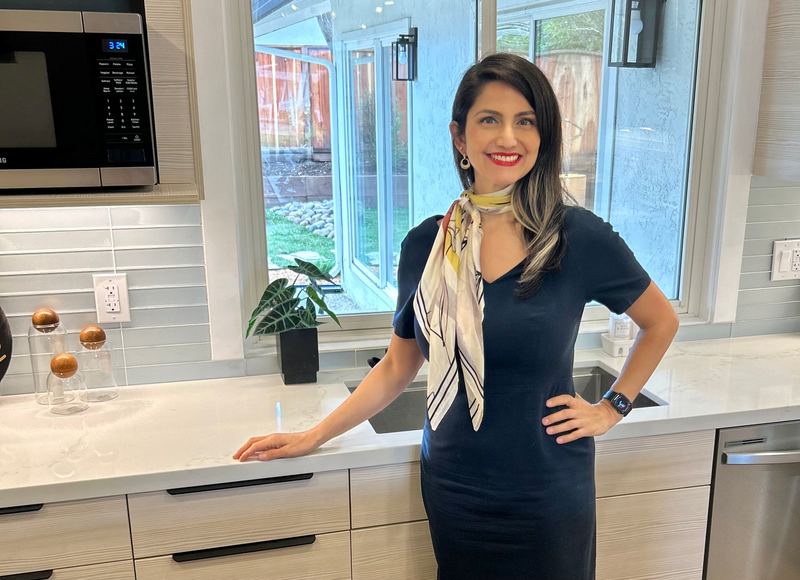
Let's talk about your next move.
No pressure, just real answers.
Start the ConversationOr call/text (415) 722-0472
Or read how we do it, step by stepWhat Luxury Looks Like in Alameda
Alameda is flat and easy to bike, so luxury here is about the house and the street more than the view. Here is how the parts of the island differ.
The Gold Coast, on the south-central part of the island, is known for its concentration of luxury homes from the late 1800s and early 1900s, many of them Queen Anne, Colonial Revival, and Craftsman designs, on the streets around Franklin Park. Caroline, Weber, and Hawthorne Streets show how Alameda's styles changed over fifty years. The East End is where the city began, and it reads like a catalog: Italianate and Stick-Eastlake homes, Queen Anne houses, Colonial Revival, and Arts and Crafts bungalows, plus two survivors from the island's earliest years. Next door, Fernside was built on the grounds of a famous estate and holds an unusual concentration of Storybook homes from 1925 to 1936, with romantic details borrowed from Medieval and Spanish Colonial design.
Newer luxury sits along the water. Bay Farm Island has lagoons, a greenbelt path around its shoreline, and the Corica Park golf courses, with Harbor Bay's planned villages and their homeowners associations. At Alameda Point, the former naval air station, historic homes known as the "Big Whites" sit inside a National Register historic district, and new waterfront construction is still taking shape.
A restored Queen Anne, a Storybook cottage, and a newer home by a lagoon can cost about the same and ask very different things of you. I tour them with you side by side. The Alameda page covers the rest of the island.
Stairs, Access, and One-Level Living in Alameda
Alameda's streets are flat, which makes the island easy to get around. The stairs here are usually inside the house. Many Victorians put the front door up a flight of steps, with the bedrooms on the floor above, and a grand staircase is part of the charm. It is also what you climb every night.
When you tour, look at how the house lives, not only how it looks. How many steps lead to the front door, and is there a way in without them? Is there a bedroom and a full bath on the main floor, so the home works on one level if you ever need it to? Is there room for an elevator or a stair lift? Many older homes were built without a garage or off-street parking, so check where the car goes, too. Step-free entries, wider doorways, sturdy railings, and good lighting all make a home easier to live in for years.
I note all of this on every home we consider, and the video preview shows the walk from the curb to the door, so you know before you visit.
Why Alameda Luxury Buyers Choose Tanja Odzak
Older homes are my specialty, and Alameda has more of them than almost anywhere in the East Bay. I read the foundation, the wiring, the drainage, and the additions before an inspector does, so you know early what is cosmetic and what is expensive. I'm a REALTOR® with eXp Realty and a Master Certified Negotiation Expert, a credential under 0.1% of agents nationwide hold. I studied Integrative Biology at UC Berkeley (Bachelor's) and Cell & Developmental Biology at UC Davis (Master's), and I study the data like a scientist: ask the right questions, look for patterns, and price on real sales.
One East Bay buyer wrote that I helped them "research, compare, and view dozens of houses" before they made an offer. Another wrote that I "helped me figure out how to negotiate this stressful and complicated life process in a way that made it manageable." Patience and a plan are what a historic home deserves.
Concierge-Level Support for Alameda Luxury Buyers
A historic Alameda home comes with more questions than most, and I would rather answer them for you than hand you the list. Here is what that covers, from first search to long after closing.
- Home dossier: before you tour, a briefing on the house: the flood map for the address, the permit history, the foundation and era of the home, the sewer lateral, the stairs and access, and any homeowners association. You walk in knowing what to look at.
- Private tours: on your schedule, weekends and weeknights included, with a video preview first that shows the approach from the street, so your time goes to the homes worth seeing.
- Off-market outreach: I ask other agents about homes that have not come to market yet, and I tell you what I hear.
- Deep due diligence: on an older home, I bring in an inspector who knows Victorians, a foundation or structural engineer, an electrician for original wiring, a roofer, and a sewer camera. I keep a vetted list for exactly this.
- Through escrow: I coordinate with the seller's side, your lender or advisors, and escrow, and I track every deadline.
- Move-in concierge: utilities, movers, contractors, and designers, lined up so the house is ready when you are.
- After closing: I stay available, for repair people, next steps, or a question about the house.
Buying Luxury in Alameda With Cash, Financing, or Both
Luxury buyers in Alameda pay in different ways. Some pay all cash, some finance, and some do both, putting proceeds from the sale of another home toward the purchase. Each one works, and none changes how closely I read the house.
How you pay shapes the offer. Cash gives the seller fewer moving parts, which can help when a well-priced Victorian draws several offers. A financed offer competes well when it is built carefully, with realistic timelines and a responsive lender. If the home is in a federally mapped flood zone, a federally regulated lender will require flood insurance, so we price that in early. I'm a Realtor, not a lender, so I connect you with lenders I trust and keep them in step with escrow.
Alameda's Rules and the Island's Hazards
The City of Alameda charges its own transfer tax of $12 per $1,000 of the price, or 1.2%, on top of Alameda County's $1.10 per $1,000. Customarily, the city transfer tax is split 50/50 between seller and buyer, and I put your share into your numbers from the start. Alameda is also in the East Bay regional sewer lateral program, so a sale needs an EBMUD compliance certificate or a time extension certificate before escrow closes. If the buyer takes that on, there is a $4,500 refundable deposit and about six months to finish the work.
The island's hazards are different from the hills. Alameda is not in a wildland fire hazard severity zone on the state's maps. Water is the bigger question: check whether a home is in FEMA's Special Flood Hazard Area on FEMA's official flood map, and if it is, a federally regulated lender will require flood insurance. Parts of the island, including South Shore and Alameda Point, were built on land filled in from the Bay, so read the natural hazard disclosure closely for the specific address.
Then come the old-home checks: the original brick foundation many Victorians still sit on, the electrical panel and any knob and tube wiring, the roof, and past remodels and whether they were permitted.
Our Luxury Buying Process in Alameda, What to Expect
Funding comes first, a pre-approval or proof of funds, so you can move the day the right home lists. We narrow the list by video, then tour in person. Before you write, I walk the home with you, go through the disclosures and the flood map, and test the commute you would actually make, since getting on and off the island means a bridge, a tube, or the ferry. The offer runs on real comps and MCNE-level negotiation. After acceptance, inspections and disclosures run on set deadlines, and I walk you through each decision. The full method is on how I help you buy.
Local Context & Proof for Alameda
Alameda's luxury homes grew out of its first boom. The first transcontinental railroad train reached the Alameda Terminal on September 6, 1869, and the rail and ferry lines that followed brought the Victorians that still line the streets. Alameda was a peninsula then; the tidal canal finished in 1902 is what made it an island. Owning one of those homes is part stewardship, and I help you see clearly what that will ask of you.
Read what clients say in my client reviews, or start with the Alameda buying page for how I work with every Alameda buyer.
Frequently Asked Questions
What does luxury look like in Alameda?
Mostly historic architecture: Queen Anne, Colonial Revival, and Craftsman homes on the Gold Coast, the East End's mix of Victorian styles, Fernside's Storybook homes, plus newer homes by the water on Bay Farm Island and at Alameda Point. I show you several side by side.
Which Alameda neighborhoods have luxury homes?
The Gold Coast is known for its concentration of luxury homes from the late 1800s and early 1900s. The East End and Fernside hold many fine older homes, and Bay Farm Island and Alameda Point add newer homes near the water.
What should I check in an Alameda Victorian?
The foundation first, since many Victorians still sit on their original brick foundations. Then the electrical panel and any knob and tube wiring, the roof, drainage, and past remodels and whether they had permits. I point these out as we tour.
Can I buy a luxury home in Alameda with all cash?
Yes. Many luxury buyers pay all cash, and a cash offer gives the seller fewer steps to wait on. You still get the same inspections, disclosures, and condition read before you commit.
What if I need financing to buy in Alameda?
A financed offer can compete well when it is built carefully. If the home is in a federally mapped flood zone, a federally regulated lender will require flood insurance, so we factor that in early. I'm a Realtor, not a lender, so I connect you with lenders I trust.
What is Alameda's transfer tax?
The City of Alameda charges $12 per $1,000 of the price, or 1.2%, on top of Alameda County's $1.10 per $1,000. Customarily, the seller pays the county tax and the city transfer tax is split 50/50 between seller and buyer.
Do I need flood insurance on an Alameda home?
It depends on the address. If the home is in FEMA's Special Flood Hazard Area on FEMA's official flood map and your lender is federally regulated or insured, flood insurance is required. I check the map for every home you consider.
Is Alameda in a fire hazard zone?
No. Alameda is not in a wildland fire hazard severity zone on the state's maps. The natural hazard disclosure still covers flood and earthquake topics for each address, so we read it together.
What is the sewer lateral requirement in Alameda?
Alameda is in the East Bay regional program, so a sale needs an EBMUD compliance certificate or a time extension certificate before escrow closes. Who handles it is negotiated, and if the buyer takes it on, there is a $4,500 refundable deposit and about six months to finish the work.
How do I find an Alameda home with fewer stairs?
Tell me at the start and I screen for it: the steps to the front door, a bedroom and full bath on the main floor, parking close to the house, and any elevator or stair lift. The video preview shows the approach before you visit.
Do historic Alameda homes cost more to maintain?
Often, yes. Wood siding and trim, original windows, foundations, roofs, and older systems all need regular care on a home this age. I help you plan for that upkeep before you buy, so it is part of your decision.
Let's talk about your next move.
No pressure, just real answers.
Start the ConversationOr call/text (415) 722-0472
Or read how we do it, step by step