San Francisco · Luxury Homes
Luxury Homes in San Francisco
Buying a luxury home in the East Bay: the neighborhoods, the hillside details, and support from first search through closing.
Luxury Homes in San Francisco, What You Get
San Francisco is the most varied luxury market in the Bay Area. A large older home in Pacific Heights, a restored Victorian on a steep Noe Valley street, and a glass-walled condo in a newer tower can all be luxury here, and each is a completely different purchase. The city is about seven miles on a side, with the Pacific on the west, the Golden Gate to the north, and the Bay to the east, so a view, the light, and the block can change the value of a home as much as the house itself.
Much of the city was rebuilt right after 1906, so many of its finest homes are about a century old and have been remodeled, split, or added onto more than once. Reading that honestly is my specialty. My job is to help you find the right home, read it closely, and negotiate the purchase, whether you are paying all cash or financing.
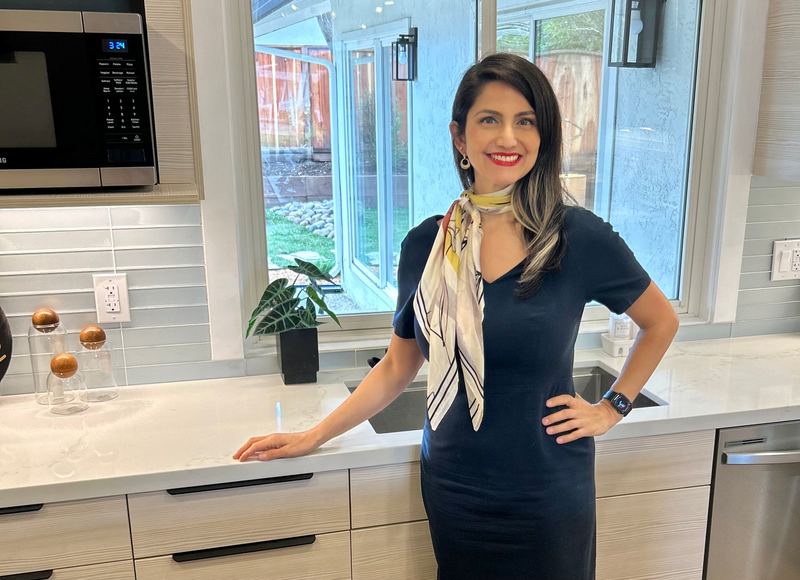
Let's talk about your next move.
No pressure, just real answers.
Start the ConversationOr call/text (415) 722-0472
Or read how we do it, step by stepWhat Luxury Looks Like in San Francisco
San Francisco has dozens of named neighborhoods, and their edges vary from one map to the next. For luxury, it helps to think in a few broad areas.
To the north, Pacific Heights, the Marina, Russian Hill, and North Beach mix large older homes with condo buildings and apartment flats, many on hills with views of the Bay. In the middle of the city, Noe Valley, the Castro, Cole Valley, and the Haight have Victorian and Edwardian houses and flats on steep streets. To the east, Mission Bay, SoMa, and the Dogpatch hold most of the city's newer condo towers and lofts.
The weather is part of the address. One street has a view of the Bay and full sun, and the next one over sits in the fog all summer. Before you fall for a listing, stand on that block at the time of day you would actually be home. I tour homes with you side by side so you can compare the real trade-offs, and the San Francisco page covers the rest of the city.
Stairs, Access, and One-Level Living in San Francisco
San Francisco's hills are part of every house. Many homes put the living space above a ground-floor garage, so the front door sits at the top of a long stairway, and inside, the bedrooms may be another flight up. On the steepest streets, even the sidewalk is a climb.
Ask the access questions early. How many steps lead from the sidewalk to the front door, and is there a way in through the garage? Is there a bedroom and a full bath on the main floor? Is there room for an elevator or a stair lift? Newer condo buildings with elevators, especially in Mission Bay and SoMa, put everything on one level, while a Victorian flat may not. Step-free entries, wider doorways, sturdy railings, and good lighting all make a home easier to live in for years.
I count the steps on every home we consider, check for an elevator in condo buildings, and film the approach from the sidewalk in the video preview, so you know before you visit.
Why San Francisco Luxury Buyers Choose Tanja Odzak
Older homes are my specialty, and in San Francisco a century-old house or flat has usually been remodeled, split, or added onto more than once. I read the foundation, the electrical, the plumbing, and whether that ground-floor room or garage conversion was ever permitted, before you fall for the view. I'm a REALTOR® with eXp Realty and a Master Certified Negotiation Expert, a credential under 0.1% of agents nationwide hold. I studied Integrative Biology at UC Berkeley (Bachelor's) and Cell & Developmental Biology at UC Davis (Master's), and so I study the data like a scientist, ask the right questions, and look for patterns.
One buyer wrote, "Tanja communicated every important detail every step of the way." Another wrote, "She is a really kind and patient person and everyone seems to like working with her, which is great when you consider all the people that have to come together to get a loan and purchase a home." On a San Francisco purchase, with its City reports and building documents, that patience counts.
Concierge-Level Support for San Francisco Luxury Buyers
A San Francisco purchase comes with City reports, building documents, and parking questions that most cities never ask. I would rather carry them for you. Here is what that covers, from first search to long after closing.
- Home dossier: before you tour, a briefing on the home: the 3R report and permit history, the energy and water certificate, earthquake and liquefaction notes, the stairs and elevator, parking, and for a condo or TIC, the association or TIC documents.
- Private tours: on your schedule, weekends and weeknights included, with a video preview first that shows the approach from the sidewalk, so your time goes to the homes worth seeing.
- Off-market outreach: I ask other agents about homes that have not come to market yet, and I tell you what I hear.
- Deep due diligence: I bring in an inspector who knows century-old buildings, a structural engineer for the foundation and seismic work, a roofer, a sewer camera, and a real estate attorney to review any TIC agreement. I keep a vetted list for this.
- Through escrow: I coordinate with the seller's side, your lender or advisors, the association, and escrow, and I track every deadline.
- Move-in concierge: utilities, movers, contractors, and designers, lined up so the home is ready when you are.
- After closing: I stay available, for repair people, next steps, or a question about the building.
Buying Luxury in San Francisco With Cash, Financing, or Both
San Francisco luxury buyers pay in different ways. Some pay all cash, some finance, and some do both, putting proceeds from the sale of another home toward the purchase. Each one works, and none changes how closely I read the home.
How you pay shapes the offer. Cash gives the seller fewer moving parts, which helps when a well-priced house draws several offers. A financed offer competes well when it is built carefully, with realistic timelines and a responsive lender. A TIC can involve different loans than a condo, so that choice affects your financing too. I'm a Realtor, not a lender, so I connect you with lenders I trust and keep them in step with escrow.
San Francisco's Rules at the Higher End
San Francisco is one city and one county, so it has one transfer tax, charged in tiers on the whole price: 0.68% for a sale from $250,000 to under $1 million, 0.75% from $1 million to under $5 million, and 2.25% from $5 million to under $10 million, with higher tiers above that. On residential sales in San Francisco, the seller customarily pays the transfer tax. I put the exact amount into your numbers before you write.
Two more City steps come with every sale. Before closing, the home needs an inspection under the City's Residential Energy and Water Conservation Ordinance, with any required basic items installed and a certificate of compliance issued. And you receive and sign the City's 3R report, the building's authorized use and building permit history. It does not list plumbing or electrical permits, so it is a starting point, not the whole story.
The natural hazards here are mostly underground. Earthquake and liquefaction zones matter more than fire: on the state's 2025 map, the only fire hazard zone inside the city is a small Moderate area in the far southwest corner, near Lake Merced. Read the natural hazard disclosure for the address, ask what seismic work the building has had, and confirm parking, since a garage or a deeded space varies a lot by building and affects value.
Our Luxury Buying Process in San Francisco, What to Expect
Funding comes first, a pre-approval or proof of funds, so you can move the day the right home appears. We narrow the list by video, then tour in person, at the time of day you would actually be home. Before you write, we read the 3R report, the disclosures, and any association or TIC documents together, and the offer runs on real comps for that type of property and MCNE-level negotiation. After acceptance, inspections and disclosures run on set deadlines, and I walk you through each decision. The full method is on how I help you buy.
Local Context & Proof for San Francisco
The earthquake and fires of April 18, 1906 destroyed about 80% of San Francisco, and the city rebuilt fast enough to host the Panama-Pacific International Exposition in 1915. Many of its finest homes date from those years. Golden Gate Park, the Presidio, and the Lands End trail keep open space close to every neighborhood. Owning one of those homes is part stewardship, and I help you see clearly what it will ask of you.
Read what clients say in my client reviews, or start with the San Francisco buying page for how I work with every San Francisco buyer.
Frequently Asked Questions
What does luxury look like in San Francisco?
Several very different things: large older homes in Pacific Heights, the Marina, and Russian Hill, Victorian and Edwardian houses on steep streets in Noe Valley and Cole Valley, and newer condo towers in Mission Bay and SoMa. I show you each side by side.
Which San Francisco neighborhoods have luxury homes?
Pacific Heights, the Marina, Russian Hill, and North Beach for large older homes and condo buildings, Noe Valley, the Castro, Cole Valley, and the Haight for Victorians and Edwardians, and Mission Bay, SoMa, and the Dogpatch for newer towers and lofts.
Can I buy a luxury home in San Francisco with all cash?
Yes. Many luxury buyers pay all cash, and a cash offer gives the seller fewer steps to wait on. You still get the same reports, inspections, and condition read before you commit.
What if I need financing to buy in San Francisco?
A financed offer can compete well when it is built carefully. A TIC can involve different loans than a condo, so we decide on the property type early. I'm a Realtor, not a lender, so I connect you with lenders I trust.
What is San Francisco's transfer tax?
One tax, charged in tiers on the whole price: 0.68% from $250,000 to under $1 million, 0.75% from $1 million to under $5 million, and 2.25% from $5 million to under $10 million, with higher tiers above $10 million. On residential sales in San Francisco, the seller customarily pays it.
What is the 3R report?
The Report of Residential Building Record from the Department of Building Inspection. It shows the building's authorized use and building permit history, and you sign it before closing. It does not list plumbing or electrical permits.
What is the energy and water inspection?
Before a residential sale closes, a City-certified inspector checks for basic energy and water measures, anything missing is installed, and a certificate of compliance is issued. It applies to houses, multi-unit buildings, and each condo sold.
Is there a fire zone in San Francisco?
Very little. On the state's 2025 map, the only fire hazard zone inside the city is a small Moderate area near Lake Merced. Earthquake and liquefaction zones matter more, and the natural hazard disclosure shows them for each address.
How do I find a San Francisco home without many stairs?
Tell me at the start. Newer condo buildings with elevators put everything on one level. For a house, I count the steps from the sidewalk, check for a way in through the garage, and look for a bedroom and full bath on the main floor.
Does a luxury home come with parking?
Check every time. A garage or a deeded space varies a lot by building and affects value, and some condos have none. I confirm exactly what comes with the property before you write an offer.
What should I check in a century-old San Francisco home?
The foundation and seismic work, the electrical and plumbing, the roof, signs of water in the lower level, and whether ground-floor rooms or extra units were permitted. The 3R report and the disclosures are where we start.
Let's talk about your next move.
No pressure, just real answers.
Start the ConversationOr call/text (415) 722-0472
Or read how we do it, step by stepThe method
